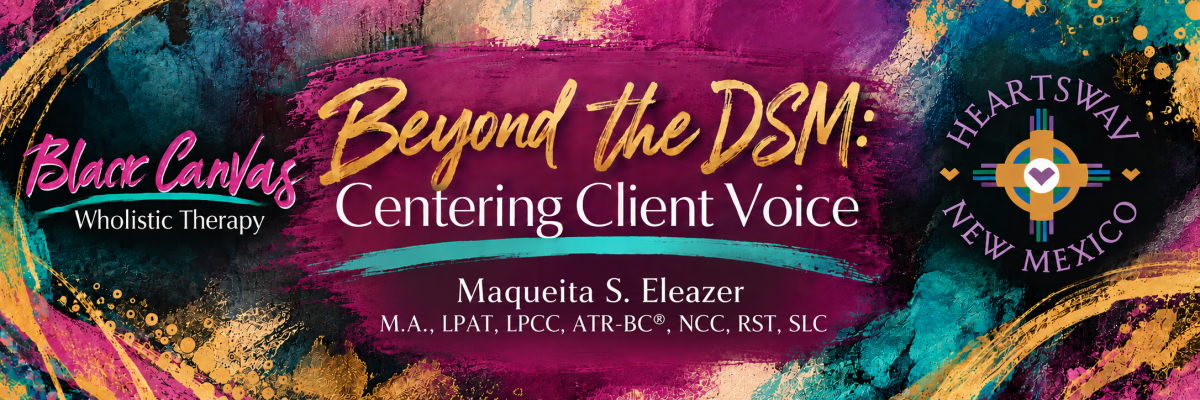
Beyond the DSM: Centering Client Voice- Decolonizing Assessment as an Ethical PracticePresented in collaboration with HeartsWay New Mexico
Sunday, November 1, 2026
9:30 am MT- 4:30 pm MT
1421 Luisa Street, Suite Q, Santa Fe, NM 87507
info@blackcanvastherapy.com
505.913.1641
Course Description
Six Ethics CEUs
This experiential course invites participants to critically examine dominant assessment practices and reimagine them through a client-centered, psycho-spiritual, and decolonizing lens. Traditional diagnostic frameworks, such as the DSM, often rely on standardized, pathology-based interpretations of distress that may overlook cultural context, lived experience, and the client’s own meaning-making systems. This course offers an integrative alternative that centers the client as the primary authority in defining and assessing their emotional and symptomatic experiences.
Grounded in a psycho-spiritual framework, symptoms are understood as meaningful communications from the psyche—expressions of the mind, body, and spirit that invite attention, awareness, and regulation rather than indicators of dysfunction. Within this approach, a symptom is clinically relevant when the client defines it as distressing or impairing, rather than solely by external diagnostic standards.
Using collage Art Therapy Techniques, participants will be guided to create their own visual Likert scale to reflect their internal emotional, somatic, and energetic landscape, based on their personal definitions of distress, regulation, and well-being.
Through art-making, somatic awareness, and reflective dialogue, participants will explore how power, culture, and narrative shape both diagnosis and treatment while practicing more collaborative and culturally responsive approaches to assessment. This approach is grounded in ethical standards related to culturally responsive assessment, diagnosis, and multicultural competence. Participants will examine how dominant definitions of wellness, distress, and functioning can contribute to bias and pathologizing, while exploring collaborative assessment practices that honor client voice, cultural context, and lived experience
Upon completion of this course, participants will be able to:
- Explain a psycho-spiritual framework in which symptoms are understood as meaningful communications from the psyche rather than indicators of dysfunction.
- Integrate a client-defined, creative assessment tool into clinical practice to support increased client agency and self-awareness.
- Apply practical, adaptable art interventions that support increased client agency, deepen therapeutic attunement, and promote more equitable and holistic clinical care.
- Analyze the limitations of standardized, pathology-based assessment models through ACA and AATA ethical standards related to culturally responsive assessment, diagnosis, historical and social bias, and multicultural competence.
- Apply ACA and AATA ethical standards to clinical assessment practices that center client voice, cultural context, lived experience, and collaborative meaning-making.
Maqueita Eleazer is an approved CEU Provider with the New Mexico Counseling Board (CEU2026142)
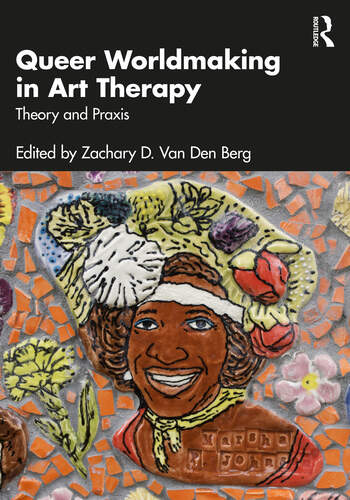
🏳️🌈New Publication🏳️🌈
I am honored to be a contributing co-author in:
Queer Worldmaking in Art Therapy: Theory and Praxis
Featuring my chapter, co-authored with Michael Galarraga, LPC, ATR-BC®, CSAC, CSOTP:
"Where Color Refuses to Blend: Supporting Queer and Trans, Black, Indigenous, and People of Color in Art Therapy"
Join Me at the American Art Therapy Association Conference in Charlotte, NC
October 14, 2026, 9 am-12 pm EST
Where Color Refuses to Blend: Supporting QTBIPOC People in Art Therapy (DEI34)
Co-facilitated with Michael Galarraga, LPC, ATR-BC®, CSAC, CSOTP
Previous Events
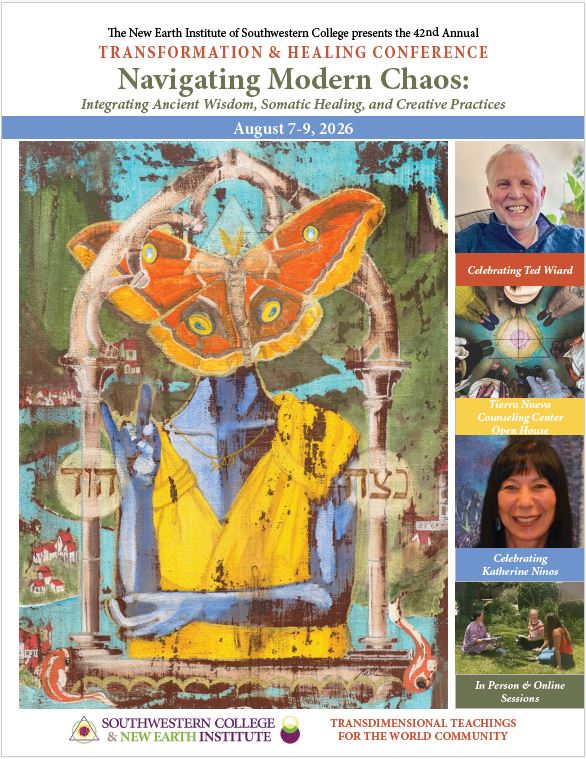
Transformation & Healing Conference In Santa Fe, NM
Friday, August 7, 2026, 2-5 pm MT
Holding Complexity: Art Therapy with QTBIPOC Clients in Small Communities
Saturday, August 8, 2026, 2-5 pm MT
Beyond the DSM: Centering the Client’s Voice in Assessment